Enterprise Mobility
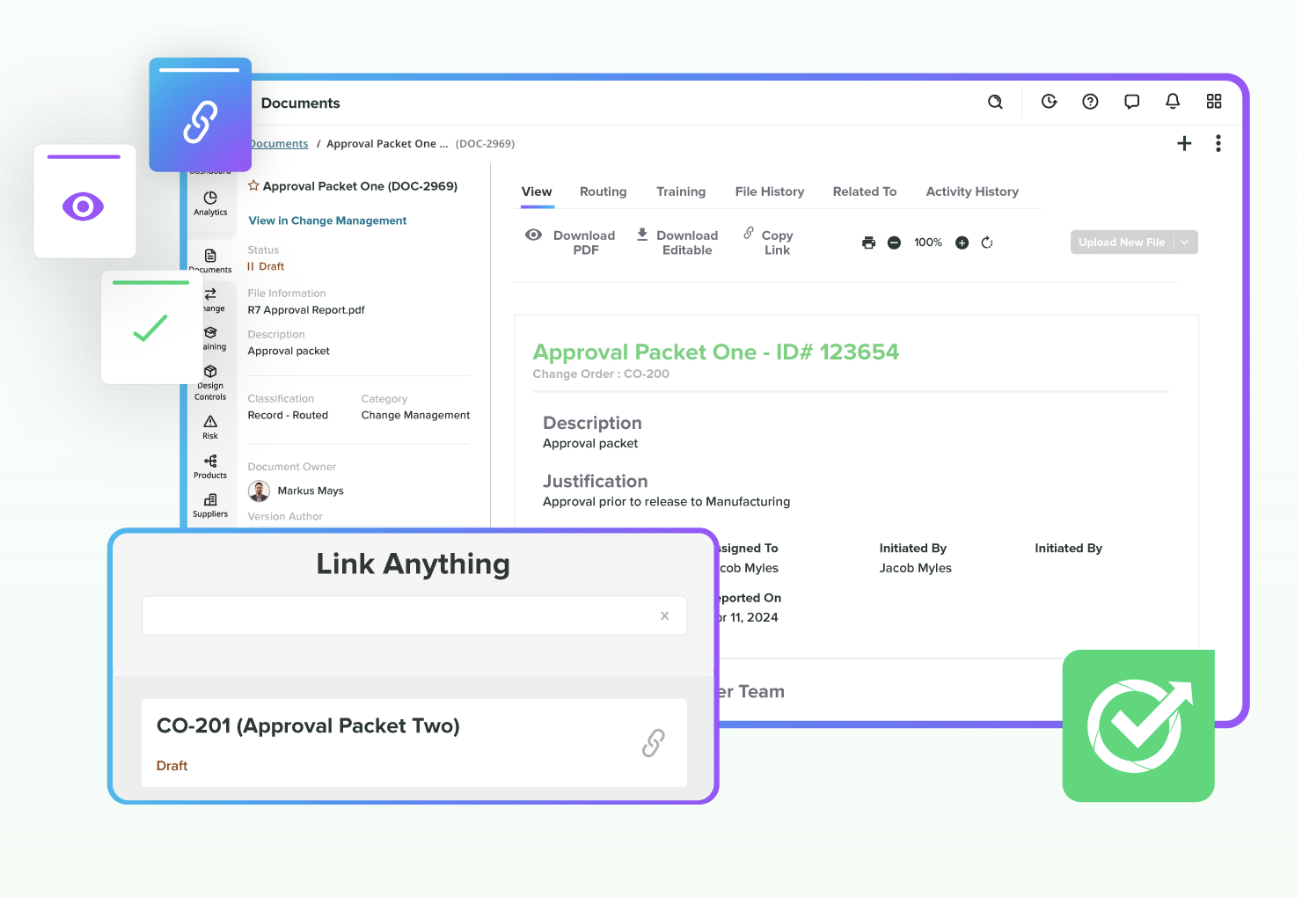
Self-service portal for Fiberlink MaaS360 (IBM) BYOD
When organisations take control of employee-owned devices, users lose visibility into what's being monitored or managed. That lack of transparency leads to resistance, frustration and non-compliance — the exact opposite of what MDM is meant to achieve.

- Role
- UX Design Intern
- Duration
- 4 months
- Year
- 2012
- Company
- Fiberlink MaaS360 (acquired by IBM)
- Domain
- Enterprise Mobility · MDM · BYOD
01
The problem
When organisations take control of employee-owned devices, users lose visibility into what's being monitored or managed. That lack of transparency leads to resistance, frustration and non-compliance — the exact opposite of what MDM is meant to achieve.
02
The approach
Design a self-service portal that empowers end users with a clear overview of their device's MDM status, what corporate IT can and cannot see, and which actions are under their control.
Roles modelled
- IT administrators (master admin) — implement, configure and manage devices, policies and security settings.
- End users — employees on company-managed or BYOD devices interacting with MDM policies.
- Compliance officers — ensure adherence to GDPR, HIPAA and organisational policies.
Design approach
Explored a self-service portal that reads as 'your device, with your employer's policies visible' — not 'corporate IT spying on you'.
Treated transparency as a UX primitive: every policy applied gets a plain-language explanation and, where possible, a user-controlled action.
03
The outcomes
- Trust in BYOD is designed, not declared. Users accept controls when they can see exactly what's controlled.
- Self-service surfaces reduce IT support tickets — and reduce the political cost of rolling out MDM.
Keep reading
Other case studies
Working on a similar problem?
I take on senior contract, fractional and select full-time engagements where the brief is unclear and the stakes are real.
anjani.vc@gmail.com